
Same-Day Non-Owner SR-22 Insurance — Texas
Free to compare
The Same-Day Non-Owner SR-22 Filing Problem Texas Suspended Drivers Face
Your Texas driver license reinstatement hearing is tomorrow morning and the judge's order requires proof of SR-22 financial responsibility filing before you walk into the courtroom. You don't own a vehicle — you sold it after the suspension — but Texas DPS doesn't care. The SR-22 filing requirement applies whether you own a car or not. You call your old carrier and they tell you they don't write non-owner policies. You call three more and get the same answer. The fourth says yes but warns the policy won't bind for three business days and the SR-22 filing won't post to DPS until after that.
This is the same-day non-owner SR-22 trap. Texas requires the filing before reinstatement, most suspended drivers no longer own vehicles, and the majority of carriers either refuse non-owner policies entirely or route them through underwriting queues that make same-day filing structurally impossible. The reinstatement clock doesn't start when you request coverage — it starts when DPS receives the electronic filing confirmation from the carrier. Miss that window and your hearing gets continued, your Occupational Driver License (ODL) application stalls, or your probation officer flags you for non-compliance.
“The reinstatement clock starts when DPS receives the filing, not when you request coverage — same-day binding doesn't mean same-day reinstatement.”

Find a Texas Policy That Covers Your Filing
Get My Texas SR-22 Auto Insurance Quote2 years
Texas SR-22 Filing Period
Texas Transportation Code §601.153 requires SR-22 financial responsibility filing for two years from the reinstatement date for most DWI and liability-related suspensions. The filing period begins the day DPS receives the carrier's electronic submission, not the day you purchase the policy.
Texas Transportation Code §601.153
Why Most Texas Carriers Reject Non-Owner SR-22 Policies
Non-owner SR-22 policies insure the driver, not a specific vehicle. They provide liability coverage when you drive a borrowed car, a rental, or any vehicle you don't own. Texas DPS accepts non-owner SR-22 filings as valid proof of financial responsibility — the statute doesn't require you to own a vehicle, only to maintain continuous coverage. But carriers treat non-owner policies as higher underwriting risk because the insurer can't inspect or rate the specific vehicle you'll be driving.
Standard-tier carriers like Allstate, State Farm, and Farmers either decline non-owner policies outright or restrict them to drivers with clean records. Suspended drivers need non-standard carriers — companies that specialize in high-risk policies and file SR-22 electronically. The problem: even among non-standard carriers, same-day filing capability varies. Some batch SR-22 submissions once daily. Others require manual underwriting review before the policy binds. A handful file electronically within hours of payment, but you have to know which ones before you start calling.
Texas DPS posts SR-22 filings 24-48 hours after the carrier submits electronically — if your carrier delays the filing three days, your reinstatement window extends to five days minimum.



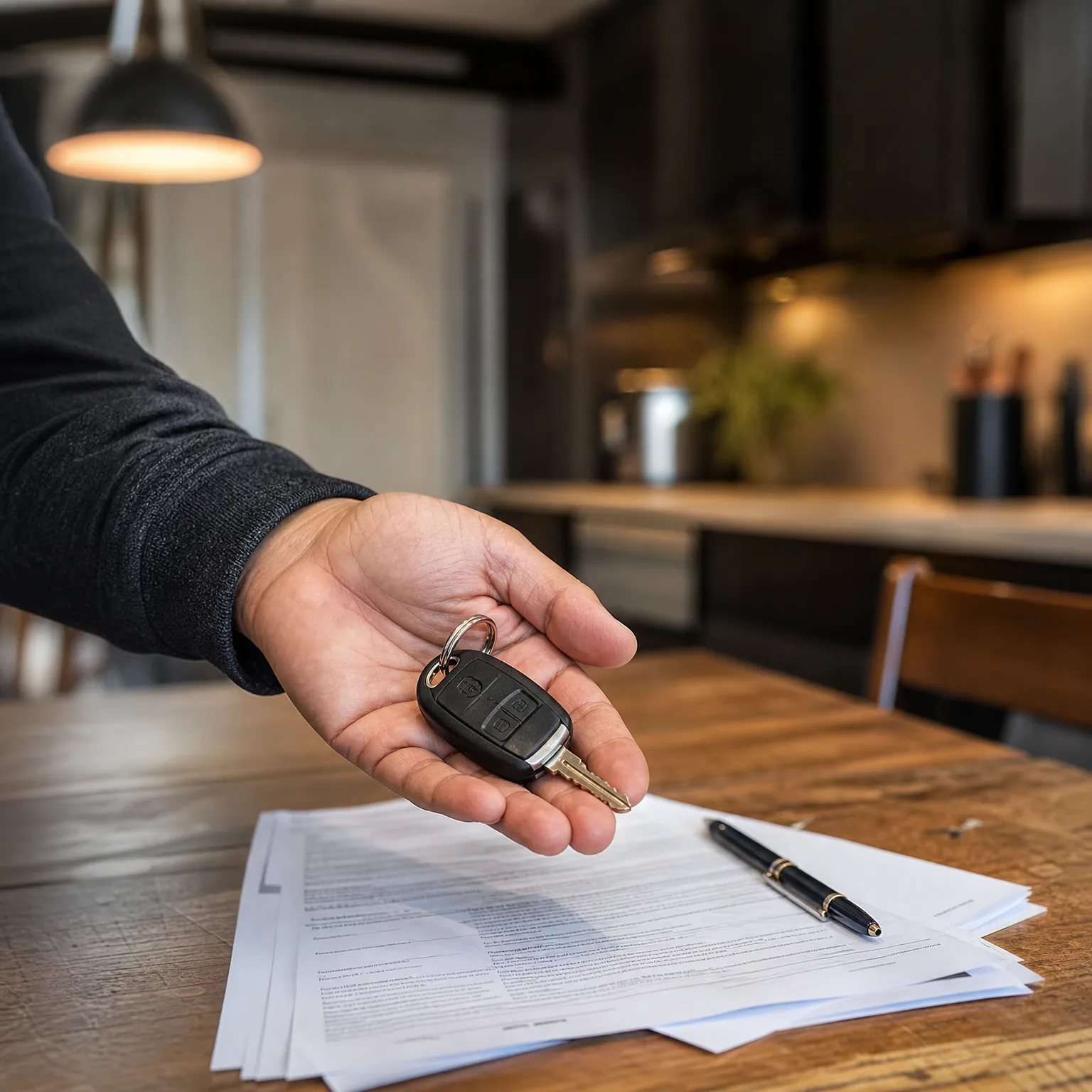
The Electronic Filing Window and DPS Posting Lag
Texas DPS receives SR-22 filings through an electronic interface carriers access directly. When a carrier submits your SR-22, DPS posts it to your driver record within 24-48 hours. That posting lag is unavoidable — even same-day carrier filing doesn't mean same-day DPS confirmation. If your reinstatement hearing or ODL court date is tomorrow, you needed to bind coverage yesterday.
Carriers that batch SR-22 submissions once daily create a second delay layer. If you bind a policy at 10 AM and the carrier's batch doesn't run until 6 PM, DPS won't receive the filing until the next morning at the earliest. Add the 24-48 hour DPS posting window and you're looking at three days minimum from payment to reinstatement eligibility. Carriers that file electronically within hours of binding collapse that window to two days — still not true same-day reinstatement, but the fastest path Texas DPS infrastructure allows.
Some suspended drivers attempt to work around the delay by purchasing a standard auto policy on a vehicle they don't actually drive, then requesting SR-22 filing on that policy. This creates two problems: first, if you're caught driving a vehicle not listed on your policy, the carrier can deny the claim and cancel coverage, which triggers an SR-22 lapse notice to DPS and extends your suspension. Second, insuring a vehicle you don't drive costs significantly more than a non-owner policy — you're paying for collision and comprehensive coverage on an asset you're not using. Non-owner SR-22 is the correct product for your situation; the challenge is finding a carrier that files it fast enough.
$125
Texas License Reinstatement Fee
Texas DPS charges a $125 base reinstatement fee after most suspensions, paid separately from the SR-22 insurance premium. This fee is non-refundable and must be paid before DPS will process your reinstatement application, even if your SR-22 filing is already on record.
Texas Department of Public Safety fee schedule

Non-Owner SR-22 Coverage Limits and Texas Minimum Liability
Texas requires minimum liability coverage of $30,000 per person for bodily injury, $60,000 per accident for bodily injury, and $25,000 for property damage — expressed as 30/60/25. Your non-owner SR-22 policy must meet or exceed these minimums or DPS will reject the filing. Most carriers writing non-owner policies in Texas default to 30/60/25 limits to keep premiums low, but you can purchase higher limits if you want additional protection.
Non-owner policies do not include collision or comprehensive coverage because there's no specific vehicle to insure. They also exclude coverage for vehicles you own, vehicles furnished for your regular use, and vehicles owned by household members. If you later purchase a vehicle, you must convert to a standard auto policy and request a new SR-22 filing on that policy — the non-owner SR-22 does not transfer. DPS requires continuous SR-22 filing for the full two-year period, so any gap between canceling the non-owner policy and binding the new standard policy will trigger a suspension notice.
Compare Texas Non-Owner SR-22 Carriers Before Your Deadline
Same-day SR-22 filing in Texas means binding a non-owner policy with a carrier that submits electronically within hours and paying by a method that clears immediately. Not all non-standard carriers meet both conditions. Progressive, Dairyland, The General, and GAINSCO write non-owner SR-22 policies for suspended Texas drivers, but their filing speed and binding requirements vary. If your reinstatement hearing, ODL court date, or probation check-in is within 72 hours, call carriers directly and confirm same-day electronic filing capability before you pay — online quote tools often can't answer that question accurately.
Start with carriers confirmed to write non-owner SR-22 in Texas. Request quotes from at least three. Ask each carrier when the SR-22 will be submitted to DPS if you bind today, and verify that the policy binds immediately upon payment. If the carrier requires underwriting review or manual approval, that's a red flag for same-day filing. Once you bind coverage, request written confirmation of the SR-22 filing submission — most carriers email a copy of the SR-22 certificate within 24 hours. Bring that certificate to your reinstatement hearing or ODL court appearance as proof that the filing is in process, even if DPS hasn't posted it to your record yet.
Which Texas Carriers File Non-Owner SR-22 Same-Day
Progressive writes non-owner SR-22 policies in Texas and files electronically same-day when the policy binds online. Payment by debit card or electronic bank draft triggers immediate binding; payment by check delays filing until the check clears. Progressive's Texas underwriter is Progressive County Mutual Insurance Company (NAIC 24260), and the SR-22 filing routes through DPS's electronic system within 4-6 hours of binding. Monthly premiums for non-owner SR-22 policies typically start around $85-$140 depending on the violation that triggered the suspension.
Dairyland, The General, and GAINSCO also write non-owner SR-22 policies in Texas with same-day electronic filing capability. Dairyland requires phone or agent contact for non-owner policies — their online quote tool handles standard auto only. The General and GAINSCO both offer online binding for non-owner SR-22, but processing speed depends on underwriting queue volume. GAINSCO's Texas underwriter (NAIC 40150) files SR-22 electronically but warns that policies binding after 3 PM Central may not post to DPS until the next business day.
Get Your Free Quote
Get My Texas SR-22 Auto Insurance QuoteFrequently Asked Questions
Can I get SR-22 insurance in Texas without owning a car?
Yes. Texas accepts non-owner SR-22 policies as valid proof of financial responsibility. Non-owner policies provide liability coverage when you drive vehicles you don't own, and DPS requires the same continuous two-year SR-22 filing period whether you own a vehicle or not.
How fast can a carrier file SR-22 with Texas DPS?
Carriers that file electronically submit SR-22 certificates to Texas DPS within 4-6 hours of policy binding. DPS posts the filing to your driver record within 24-48 hours after receiving it. Carriers that batch submissions once daily add another 12-24 hours to that timeline.
What happens if my non-owner SR-22 lapses in Texas?
Texas DPS receives automatic lapse notices from carriers when SR-22 policies cancel or expire. DPS suspends your license again immediately upon receiving the lapse notice, and you must purchase new coverage, file a new SR-22, pay another $125 reinstatement fee, and restart the two-year filing period from the new filing date.
Do I need an Occupational Driver License if I have non-owner SR-22?
Non-owner SR-22 insurance satisfies the financial responsibility requirement for an Occupational Driver License (ODL) in Texas, but it does not replace the ODL itself. You still need a court order granting the ODL, and the SR-22 filing must be active before the court will issue the order.
Which Texas carriers write non-owner SR-22 for suspended drivers?
Progressive, Dairyland, The General, and GAINSCO write non-owner SR-22 policies for suspended drivers in Texas. Standard-tier carriers like State Farm, Allstate, and Farmers typically decline non-owner policies for drivers with active suspensions or DWI convictions.
How much does non-owner SR-22 insurance cost in Texas?
Non-owner SR-22 policies in Texas typically cost $85-$140 per month depending on the violation that triggered your suspension, your age, and your county. DWI-related suspensions generate higher premiums than lapse-related suspensions. Estimates based on available industry data; individual rates vary by driving history and location.