
How to Get an SR-22 in Texas
Free to compare
Your Carrier Files the SR-22, Not You
Most suspended drivers in Texas believe they need to download an SR-22 form, fill it out, and submit it to the Texas Department of Public Safety. That's not how the process works. When you buy auto insurance from a carrier licensed to write SR-22 policies in Texas, the carrier files the SR-22 certificate electronically with DPS on your behalf — typically within 24 hours of policy activation. You never touch paperwork.
The SR-22 is not insurance. It is proof you carry the state minimum liability coverage ($30,000 per person bodily injury, $60,000 per accident, $25,000 property damage). Your carrier adds the SR-22 endorsement to your policy and transmits the certificate to DPS automatically. Your job is to find a carrier willing to write SR-22 policies after your violation, maintain continuous coverage for the required period, and pay the premiums on time.
“The SR-22 is not insurance — it is proof you carry the state minimum liability coverage, filed electronically by your carrier to DPS within 24 hours of policy activation.”

Find a Texas Policy That Covers Your Filing
Get My Texas SR-22 Auto Insurance Quote$15–$50
SR-22 Filing Fee
Texas carriers charge a one-time filing fee to add the SR-22 endorsement to your policy. This fee is separate from your premium and is paid once at policy activation. Some carriers waive the fee; others charge closer to $50.
Carrier fee schedules, Texas Department of Insurance
Who Must Carry SR-22 in Texas
Texas requires SR-22 filing for drivers convicted of DWI, driving uninsured, causing an accident without insurance, or accumulating repeat traffic violations that triggered license suspension. If you apply for an Occupational Driver License (ODL) — Texas's hardship license — you must maintain SR-22 regardless of the suspension trigger. DPS sends a notice listing SR-22 as a reinstatement requirement; if your notice does not mention it, call DPS to confirm before buying coverage.
SR-22 filing in Texas lasts 2 years from the date DPS receives the initial certificate. The clock does not start when you buy the policy — it starts when DPS logs the electronic transmission from your carrier. If your policy lapses or cancels during the 2-year period, your carrier notifies DPS within 10 days and your suspension reinstates immediately. You start the 2-year clock over with a new filing.
Not all violations require SR-22. Points-only suspensions, unpaid child support, and failure-to-appear cases typically do not trigger the SR-22 requirement unless DPS explicitly lists it on your reinstatement notice. Medical suspensions never require SR-22. Verify your specific case with DPS before buying coverage you may not need.

If your carrier cancels your policy mid-term for non-payment, DPS receives electronic notice within 10 days and suspends your license again — even if you're 23 months into your 2-year SR-22 requirement.






SR-22 Without Owning a Vehicle
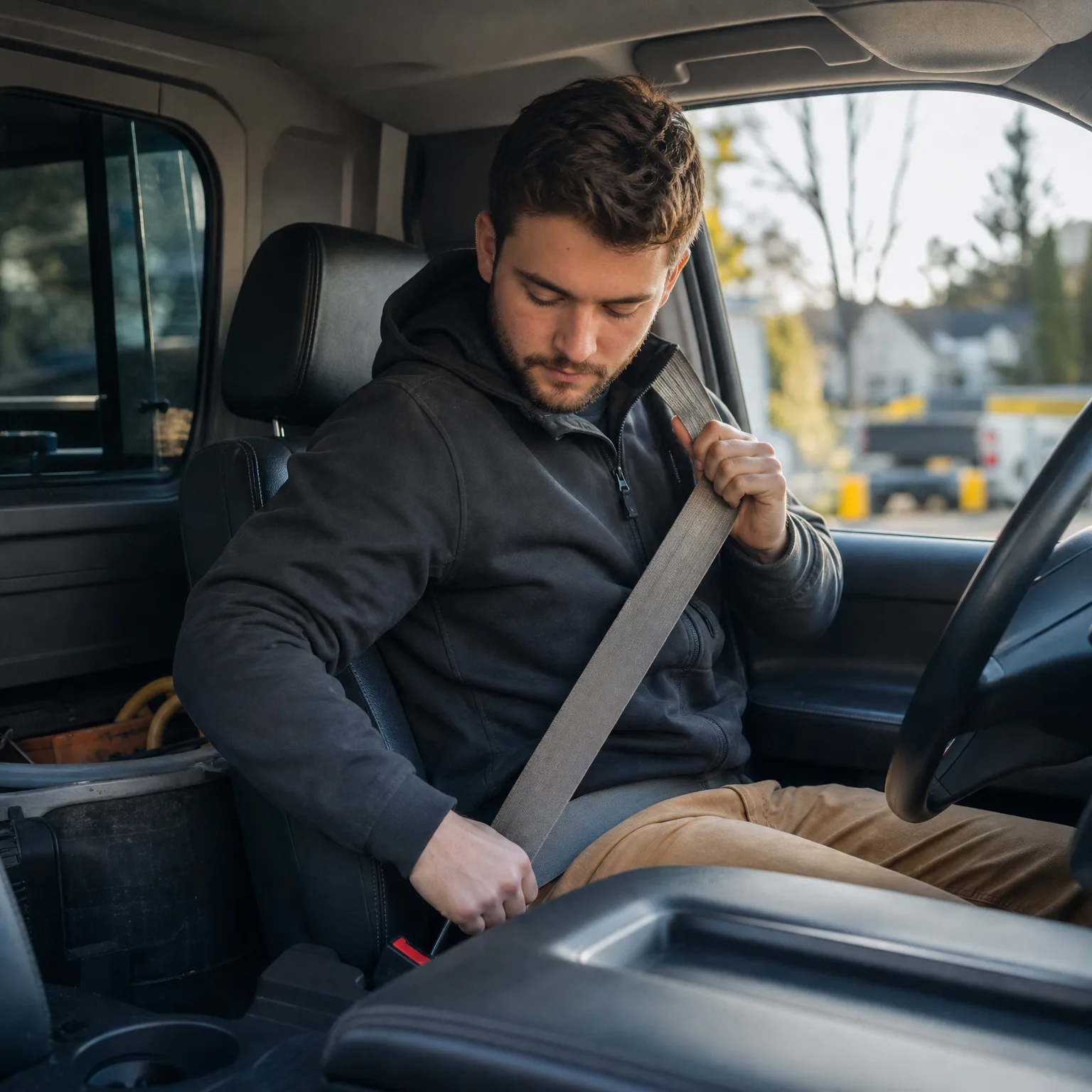
If you do not own a vehicle but need SR-22 to reinstate your Texas license or maintain an Occupational Driver License, buy a non-owner SR-22 policy. This is liability-only coverage that follows you when you drive borrowed or rented vehicles. The carrier files the SR-22 endorsement with DPS just as they would for a standard policy. Monthly premiums for non-owner SR-22 in Texas typically run $30–$70, significantly cheaper than standard SR-22 policies because collision and comprehensive coverage are excluded.
Non-owner policies do not cover vehicles you own or vehicles registered in your household. If you later buy a car during the SR-22 filing period, you must switch to a standard policy and notify your carrier immediately — continuing non-owner coverage while owning a vehicle voids the policy and terminates your SR-22 filing. GEICO, Progressive, Dairyland, GAINSCO, The General, and USAA all write non-owner SR-22 in Texas.
2 years
Texas SR-22 Filing Period
Texas Transportation Code §601.153 requires 2 years of continuous SR-22 filing from the date DPS receives the initial certificate. If your policy lapses, the 2-year clock resets when you file a new certificate.
Texas Transportation Code §601.153

What Happens If Your SR-22 Policy Cancels
When your carrier cancels your policy for non-payment, they send an SR-26 notice to DPS electronically within 10 days. The SR-26 terminates your SR-22 filing. DPS suspends your license immediately and you lose credit for any time already served under the SR-22 requirement. If you were 18 months into a 2-year filing and your policy cancels, you start over at zero when you file a new SR-22 certificate.
If you switch carriers voluntarily during your SR-22 period, the gap between cancellation and new policy activation cannot exceed one day. Most drivers schedule the new policy to activate the day after the old policy expires, then confirm both carriers transmitted their filings to DPS. Even a 2-day gap triggers suspension. Call DPS Driver License Division at (512) 424-2600 to verify your SR-22 status shows continuous coverage after switching carriers.
Compare Texas SR-22 Carriers Now
SR-22 premiums in Texas vary by $80–$150 per month depending on carrier, violation type, age, county, and driving history. Carriers that specialize in high-risk drivers — Dairyland, Bristol West, Direct Auto, GAINSCO, The General — often quote lower rates than standard carriers because they write SR-22 policies regularly and price the risk more accurately. Progressive and GEICO write SR-22 but assign non-standard underwriting tiers that raise premiums. Request quotes from at least three carriers, verify the SR-22 filing fee is included in the total cost, and confirm the carrier will file electronically with DPS within 24 hours of policy activation. Compare Texas SR-22 carriers on this site to find coverage that meets your reinstatement requirements at the lowest monthly cost.
Three Steps to File SR-22 in Texas
Step one: contact carriers who write SR-22 policies in Texas. Not all carriers accept high-risk drivers. Progressive, GEICO, The General, Dairyland, Bristol West, GAINSCO, and Direct Auto all write SR-22 in Texas. State Farm writes SR-22 but assigns high-risk drivers to non-preferred underwriting, which raises premiums. Request quotes from at least three carriers and ask for the total monthly cost including the SR-22 filing fee.
Step two: purchase the policy and request SR-22 endorsement at activation. The carrier adds the endorsement to your liability policy and transmits the certificate to DPS electronically the same day or within 24 hours. You receive a paper copy of the SR-22 for your records, but DPS does not need you to mail anything — the electronic filing is the official record. Step three: maintain continuous coverage for 2 years without lapses. Set up auto-pay or calendar reminders 5 days before each due date. If you miss one payment and the carrier cancels your policy, your SR-22 filing terminates and DPS reinstates your suspension immediately.
Get Your Free Quote
Get My Texas SR-22 Auto Insurance QuoteFrequently Asked Questions
How much does SR-22 cost in Texas?
Texas carriers charge a one-time filing fee of $15–$50 to add the SR-22 endorsement to your policy. Monthly premiums for SR-22 liability coverage typically range from $85–$220 depending on your violation, age, county, and driving history. Non-owner SR-22 policies cost $30–$70 per month because they exclude collision and comprehensive coverage.
Can I file SR-22 myself in Texas?
No. Only a licensed insurance carrier can file SR-22 certificates with the Texas Department of Public Safety. When you buy a policy from a carrier that writes SR-22, they transmit the certificate electronically to DPS on your behalf — typically within 24 hours of policy activation. You never submit paperwork yourself.
How long do I need SR-22 in Texas?
Texas requires 2 years of continuous SR-22 filing from the date DPS receives the initial certificate. If your policy lapses or cancels during the 2-year period, the clock resets and you start over at zero when you file a new SR-22.
What happens if my SR-22 lapses in Texas?
If your carrier cancels your policy for non-payment, they send an SR-26 termination notice to DPS electronically within 10 days. DPS suspends your license immediately and you lose credit for time already served under the SR-22 requirement. You must buy a new policy and file a new SR-22 to restart the 2-year clock.
Do I need SR-22 for an occupational license in Texas?
Yes. Texas requires SR-22 filing for all Occupational Driver License (ODL) holders regardless of the suspension trigger. Even if your suspension did not originally require SR-22, you must maintain an SR-22 certificate for the entire period you hold an ODL.
Can I get SR-22 without owning a car in Texas?
Yes. Buy a non-owner SR-22 policy, which is liability-only coverage that follows you when you drive borrowed or rented vehicles. The carrier files the SR-22 endorsement with DPS just as they would for a standard policy. Monthly premiums typically run $30–$70.
Which carriers write SR-22 in Texas?
Progressive, GEICO, The General, Dairyland, Bristol West, GAINSCO, Direct Auto, State Farm, and USAA all write SR-22 policies in Texas. Carriers that specialize in high-risk drivers often quote lower rates than standard carriers because they price SR-22 risk more accurately.