SR-22 Insurance Cost — San Antonio, TX
Free to compare
What You Actually Pay for SR-22 in San Antonio
You received the suspension notice from Texas DPS, called three insurance agents, and got three completely different monthly premium quotes — all claiming to offer the same SR-22 coverage required for reinstatement. The filing fee is straightforward: Texas charges $25 to process the SR-22 certificate your carrier submits electronically to DPS. That number is fixed statewide and non-negotiable.
The confusion stems from what happens after the filing fee. Monthly premiums for the underlying liability policy — the actual insurance the SR-22 proves you carry — vary wildly across San Antonio carriers because Texas allows county-level pricing adjustments for non-standard auto policies. Bexar County's theft rate, uninsured motorist percentage, and claim frequency all factor into how each carrier prices your specific risk profile, and no two carriers weight those variables identically.
“San Antonio SR-22 premiums reflect Bexar County's claim density and theft rate — factors that vary block by block across the metro, shifting monthly cost $30–$50 between carriers.”

Find a Texas Policy That Covers Your Filing
Get My Texas SR-22 Auto Insurance Quote$120–$260/month
San Antonio SR-22 Premium Range
Monthly liability premium for minimum 30/60/25 coverage after DUI or uninsured driving violation. Range reflects carrier tier differences — non-standard specialists (Dairyland, GAINSCO, The General) anchor the lower end; standard carriers writing high-risk policies price $40–$80 higher per month for identical coverage limits.
Estimates based on Bexar County carrier rate filings, 2025
How Texas SR-22 Filing Actually Works
Texas DPS does not issue SR-22 certificates. Your insurance carrier files the SR-22 electronically with DPS on your behalf once you purchase a qualifying liability policy. The carrier pays the $25 filing fee to the state, then passes that cost to you — some carriers bill it upfront as a separate line item, others fold it into your first month's premium.
The SR-22 filing itself is not insurance. It is proof you now carry continuous liability coverage meeting Texas minimums: $30,000 per person for bodily injury, $60,000 per accident, and $25,000 for property damage. DPS requires this proof for two years from your reinstatement date if your suspension stemmed from DUI, uninsured driving, or certain serious moving violations.
If your policy lapses for any reason during the two-year SR-22 period — missed payment, voluntary cancellation, carrier non-renewal — the insurer must notify DPS electronically within 10 days. DPS then re-suspends your license automatically. No hearing, no grace period beyond the original lapse date. The TexasSure verification system cross-checks your coverage status in real time, so lapses trigger immediate administrative action.
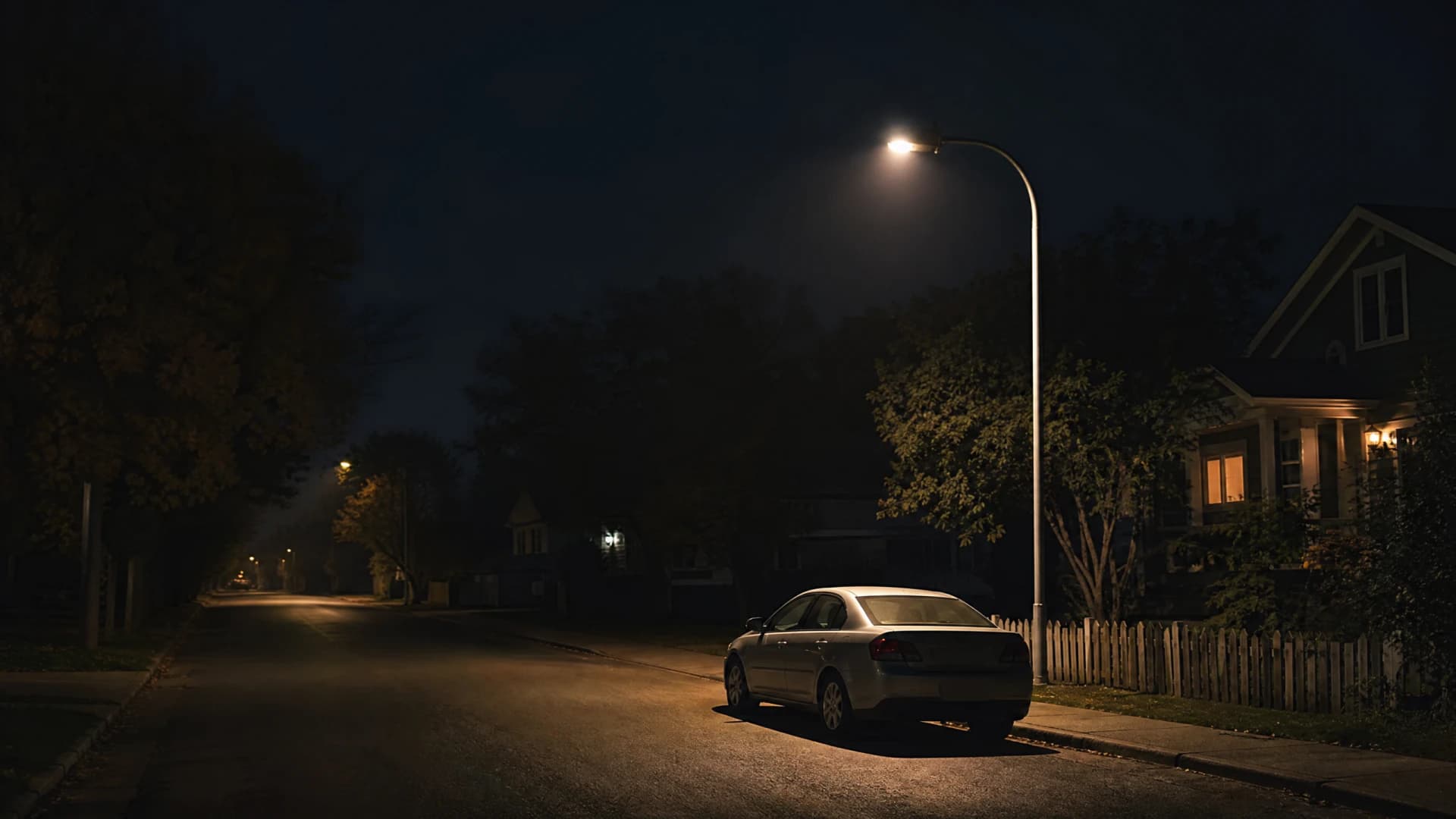
San Antonio SR-22 premiums reflect Bexar County's claim density and theft rate — factors that vary block by block across the metro. Your ZIP code alone can shift your monthly cost $30–$50 between carriers.




What Drives Your Personal SR-22 Rate in Bexar County
Your violation type sets the floor. DUI convictions trigger the highest base rates because actuarial loss data shows repeat-offense probability within 24 months. Uninsured driving citations price lower than DUI but higher than points-only suspensions. If your SR-22 requirement stems from multiple violations — say, a DUI plus a prior at-fault accident — carriers layer surcharges rather than treating them as a single event.
Your ZIP code within San Antonio matters more than most drivers expect. Bexar County spans urban core neighborhoods with high theft and claim density (78207, 78228, 78237) and suburban areas with significantly lower loss ratios (78255, 78256, 78259). Carriers price these zones independently. Moving from a central ZIP to a northern suburb can drop your monthly premium $30–$50 even with identical violation history and coverage limits.
Your age and years licensed compound the violation surcharge. A 22-year-old with a DUI and two years of driving history will pay $60–$100 more per month than a 38-year-old with identical conviction and clean prior record, because the younger driver falls into a statistically higher-risk age band before the SR-22 requirement even applies. Drivers over 50 with first-offense DUI typically see the lowest SR-22 premiums within the non-standard tier.
Whether you own a vehicle affects both cost and coverage type. If you're reinstating a license but don't currently own a car, you need a non-owner SR-22 policy — liability-only coverage that follows you as a driver rather than insuring a specific vehicle. Non-owner policies run $40–$70 cheaper per month than owner policies in San Antonio because they exclude collision and comprehensive exposure. GAINSCO, Dairyland, Progressive, The General, and USAA all write non-owner SR-22 in Texas; not every carrier offers it, so if three quotes all assume you own a vehicle and you don't, clarify upfront.
2 years
Texas SR-22 Filing Duration
Texas Transportation Code §601.153 requires maintaining SR-22 proof of financial responsibility for two years from reinstatement date after DUI, uninsured driving, or liability-judgment suspension. The clock starts when DPS processes your reinstatement, not when you first purchase the policy. Any lapse during this period resets the requirement.
Texas Transportation Code §601.153
Occupational License Holders Pay the Same SR-22 Rate
If you petitioned for an Occupational Driver License while your full license remains suspended, Texas still requires SR-22 filing as a condition of the court order granting the ODL. The insurance cost is identical — carriers do not offer discounted SR-22 premiums for restricted licenses. You're paying for the same 30/60/25 liability coverage, and DPS monitors the same continuous-coverage requirement whether you hold an ODL or a fully reinstated license.
The only cost difference: ODL holders often face additional ignition interlock device fees if the court ordered IID installation as a condition of the occupational license. Monthly IID lease runs $70–$90 in San Antonio, plus $100–$150 installation and $50–$75 monthly monitoring, separate from your SR-22 insurance premium. Those costs stack; they don't replace each other.
How to Compare San Antonio SR-22 Rates Without Overpaying
Start with non-standard carriers first. Dairyland, GAINSCO, Bristol West, and The General all write SR-22 in Bexar County and compete directly on price for suspended-driver business. Request quotes from at least three within this tier before moving to standard carriers. Non-standard specialists often deliver the lowest monthly premium because they underwrite your violation type daily and price competitively within that risk pool.
Verify the coverage limits in every quote. Texas minimum liability is 30/60/25, but some carriers will quote higher limits (50/100/50 or 100/300/100) by default, inflating the monthly cost $20–$40. If you need only the state minimum to satisfy DPS reinstatement, confirm the quote reflects 30/60/25 exactly. Higher limits provide better protection if you cause an accident, but they are not required for SR-22 filing — that decision is separate from meeting the legal floor.
Ask whether the $25 filing fee is included or billed separately. Most carriers fold it into the first premium payment, but some itemize it as a standalone charge. Knowing this upfront prevents surprise at checkout and lets you compare true monthly costs across quotes. If one carrier quotes $135/month and another quotes $140/month but bills the $25 filing fee separately in month two, the second quote is actually cheaper over 12 months.
Why Premiums Vary So Much Across San Antonio Carriers
Non-standard carriers (Dairyland, GAINSCO, Bristol West, Direct Auto, The General) specialize in high-risk drivers and price competitively because SR-22 filers are their core business. They underwrite DUI and suspension cases daily, spread risk across large pools of similar drivers, and operate leaner distribution models. Monthly premiums for minimum liability typically land between $120–$180 in San Antonio ZIP codes with lower theft rates (78258, 78260 north of Loop 1604) and $140–$200 in higher-density areas closer to downtown.
Standard carriers writing SR-22 as an exception (State Farm, Progressive, Geico) price the same coverage $40–$80 higher monthly because you now fall outside their preferred risk tier. They're not declining you outright, but the rate reflects actuarial treatment as a statistical outlier within their book. If you held a policy with the carrier before your suspension, expect a mid-term surcharge at renewal. If you're shopping fresh, their quote will anchor near the top of the range — $200–$260/month is common for San Antonio drivers with recent DUI convictions seeking coverage from these carriers.
Get Your Free Quote
Get My Texas SR-22 Auto Insurance QuoteFrequently Asked Questions
How much does SR-22 insurance cost per month in San Antonio?
Monthly premiums range $120–$260 depending on carrier tier, your violation type, and your San Antonio ZIP code. Non-standard specialists like Dairyland and GAINSCO typically quote $120–$180/month for minimum liability; standard carriers writing SR-22 as an exception often price $200–$260/month for identical coverage.
Is the $25 SR-22 filing fee in Texas separate from my insurance premium?
Yes. The $25 fee is what your carrier pays Texas DPS to file the SR-22 certificate electronically. Most carriers pass this cost to you by folding it into your first month's premium, though some bill it as a separate line item. Your monthly insurance premium is a separate, much larger cost — typically $120–$260/month in San Antonio.
Do I need SR-22 insurance if I have an Occupational Driver License in Texas?
Yes. Texas requires SR-22 filing for all Occupational Driver License (ODL) holders regardless of the suspension reason. The court order granting your ODL explicitly conditions the restricted license on maintaining continuous SR-22 proof of financial responsibility. If your SR-22 lapses, DPS revokes the ODL automatically.
Can I get SR-22 insurance in San Antonio if I don't own a car?
Yes. You need a non-owner SR-22 policy, which provides liability coverage that follows you as a driver rather than insuring a specific vehicle. Non-owner policies cost $40–$70 less per month than standard SR-22 policies in San Antonio. Dairyland, GAINSCO, Progressive, The General, and USAA all write non-owner SR-22 in Texas.
How long do I have to keep SR-22 insurance in Texas?
Two years from your reinstatement date. Texas Transportation Code §601.153 requires maintaining continuous SR-22 coverage for 24 months after DUI, uninsured driving, or liability-judgment suspensions. The requirement starts when DPS processes your reinstatement, not when you first buy the policy. Any lapse during this period resets the clock.
Why do SR-22 quotes vary so much between San Antonio carriers?
Texas allows county-level pricing for non-standard auto policies, and Bexar County's theft rate, claim density, and uninsured motorist percentage vary significantly by ZIP code. Non-standard carriers price competitively because SR-22 filers are their core business; standard carriers treat you as a statistical outlier and price $40–$80 higher monthly for identical coverage.
What happens if my SR-22 insurance lapses in Texas?
Your carrier notifies DPS electronically within 10 days of the lapse, and DPS re-suspends your license automatically. Texas's TexasSure system monitors coverage in real time, so there is no grace period beyond the original lapse date. You must purchase a new policy, file a new SR-22, and pay reinstatement fees again to restore driving privileges.