
Full Coverage SR-22 Insurance — Texas
Free to compare
Why Your Carrier Pushed Full Coverage
You called your carrier after suspension. They quoted full coverage SR-22 at $320/month when you were paying $140 before. The agent said suspended drivers need comprehensive and collision to file SR-22. That's not what Texas law requires.
Texas DPS requires SR-22 financial responsibility filing for two years after most DUI, uninsured driving, and liability-related suspensions. The filing proves you carry at least the state minimum liability: $30,000 per person, $60,000 per accident for bodily injury, and $25,000 for property damage. Collision and comprehensive are not part of that minimum. You can reinstate with liability-only SR-22 if you own your vehicle outright or your lien is paid off.
“Texas DPS requires liability coverage and SR-22 filing — collision and comprehensive are lender rules, not reinstatement rules.”

Find a Texas Policy That Covers Your Filing
Get My Texas SR-22 Auto Insurance Quote$30/$60/$25
Texas SR-22 Minimum Liability
This is the coverage floor that satisfies SR-22 filing for reinstatement. Bodily injury per person, bodily injury per accident, property damage. Collision and comprehensive are not part of the state minimum.
Texas Transportation Code §601.072
Full Coverage Versus Liability-Only SR-22
Full coverage adds collision (pays to repair your vehicle when you cause the crash) and comprehensive (pays for theft, weather, vandalism). Liability-only covers damage you cause to others — their vehicle, their medical bills, their property. SR-22 is a filing, not a coverage type. It attaches to whichever policy you buy.
Carriers push full coverage on suspended drivers because the underwriting algorithm flags you as higher risk. Adding collision and comprehensive lets them collect more premium. Your lender requires full coverage only if you financed the vehicle and the loan is active. Once the lien releases, that requirement disappears. Texas DPS does not care whether you carry collision or comprehensive — only that you maintain continuous liability coverage and keep the SR-22 filing active for the required period.
Liability-only SR-22 premiums in Texas typically run $95–$165/month for suspended drivers with clean post-suspension records. Full coverage pushes that to $240–$380/month because collision and comprehensive stack on top of liability. If you don't need the lender protection and your vehicle is older or paid off, liability-only cuts your premium by roughly 60%.
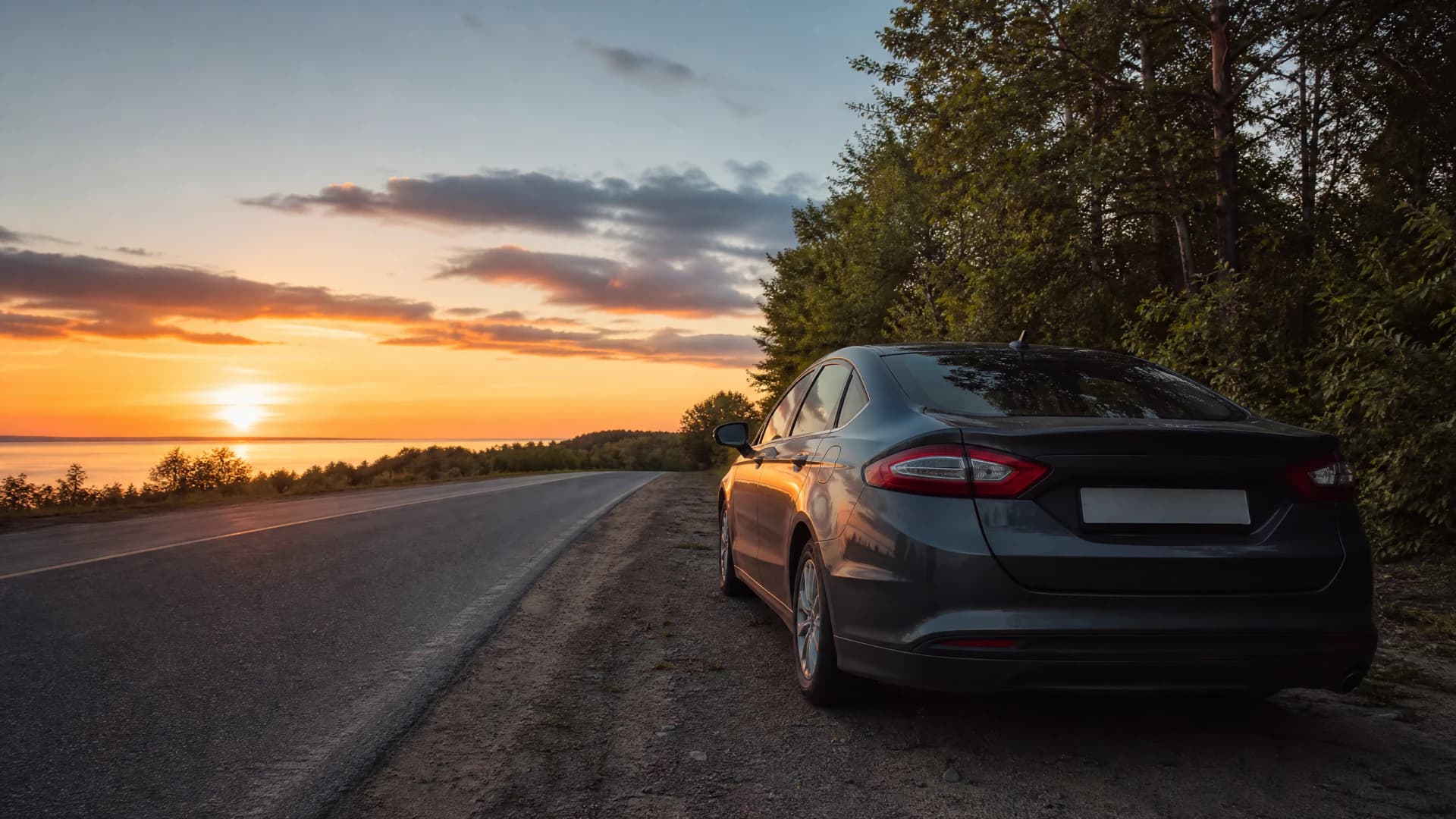
Your lender requires full coverage while a loan is active. Texas DPS does not. If you own your vehicle outright, liability-only SR-22 meets the reinstatement requirement.






Non-Owner SR-22 When You Don't Have a Vehicle
You sold your vehicle after suspension or never owned one. Texas still requires SR-22 filing to reinstate. Non-owner SR-22 policies cover liability when you drive a borrowed or rented vehicle. They do not cover a vehicle you own or regularly use — if you later buy a vehicle, you must switch to a standard policy and transfer the SR-22 filing.
Non-owner SR-22 premiums run $45–$85/month in Texas, significantly cheaper than standard SR-22 policies because the carrier assumes lower exposure. Dairyland, GAINSCO, Progressive, The General, and USAA all write non-owner SR-22 in Texas. You cannot add collision or comprehensive to a non-owner policy — those coverages require an insurable interest in a specific vehicle. The policy provides only the state minimum liability and satisfies the SR-22 filing requirement for reinstatement.
Once DPS processes your reinstatement and the two-year SR-22 period ends, the non-owner policy requirement drops. You can cancel the policy without re-suspension. If you buy a vehicle during the SR-22 period, notify your carrier immediately to convert the non-owner policy to a standard policy with the same SR-22 filing attached. Gaps between cancellation and new policy activation trigger automatic re-suspension.
$45–$85/mo
Texas Non-Owner SR-22 Premium
Non-owner policies cost roughly half what standard SR-22 policies cost because they cover only borrowed or rented vehicles. No collision or comprehensive available. Meets reinstatement requirement if you don't own a vehicle.

Switching Carriers Without Losing SR-22 Filing
You found a cheaper SR-22 rate with a different carrier. Switching is allowed, but timing matters. Your new carrier must file the SR-22 certificate with DPS before your old policy cancels. The safest sequence: buy the new policy with an effective date that overlaps your current policy by at least one day, confirm the new carrier filed the SR-22, then cancel the old policy. A single day without active SR-22 filing triggers automatic suspension.
Most Texas carriers file SR-22 certificates electronically within 24 hours of policy activation, but paper filings can take 5–7 business days. Call DPS Driver License Division at 512-424-2600 to confirm they received the new SR-22 before you cancel the old policy. If the new filing has not posted, delay the cancellation. Bristol West, Dairyland, Direct Auto, GAINSCO, and The General specialize in SR-22 policies and process filings faster than standard carriers.
What to Do Right Now
Request liability-only SR-22 quotes from at least three non-standard carriers. Acceptance Insurance, Bristol West, Dairyland, GAINSCO, and The General all write SR-22 in Texas and compete on price for suspended drivers. If you own your vehicle outright and your agent pushed full coverage, clarify that you need only state minimum liability plus SR-22 filing. If you don't own a vehicle, request non-owner SR-22 quotes specifically — standard SR-22 quotes will come back higher because the carrier assumes you own a car.
Compare the monthly premium, the SR-22 filing fee (typically $15–$50, billed once at policy start), and the payment plan options. Some carriers require six-month prepayment; others offer monthly installments with a processing fee. Factor total cost over six months, not just the headline monthly rate. Once you select a carrier, confirm they will file the SR-22 electronically and ask for the filing confirmation timeline. Do not cancel your current policy until you confirm DPS received the new SR-22.
What Triggers the SR-22 Requirement
DWI convictions trigger mandatory SR-22 under the Administrative License Revocation (ALR) program. The filing period begins on your reinstatement date and runs for two years. Texas Transportation Code §601.153 also requires SR-22 for drivers convicted of driving without insurance, involved in an at-fault crash without coverage, or suspended for failing to establish financial responsibility after a crash. Accumulating excessive points or unpaid tickets typically does not trigger SR-22 unless the suspension also involves a financial responsibility finding.
The TexasSure electronic verification system tracks your SR-22 status in real time. Your carrier files the SR-22 certificate directly with DPS when your policy activates. If you cancel coverage, miss a payment, or let the policy lapse, your carrier files an SR-22 cancellation notice within 10 days. DPS suspends your license again immediately upon receiving the cancellation — no grace period, no warning letter. Maintaining continuous coverage for the full two-year period is the only way to clear the SR-22 requirement and avoid re-suspension.
Get Your Free Quote
Get My Texas SR-22 Auto Insurance QuoteFrequently Asked Questions
Does Texas require full coverage for SR-22 filing?
No. Texas requires only state minimum liability coverage ($30,000/$60,000/$25,000) plus SR-22 filing for reinstatement. Full coverage (collision and comprehensive) is required only if your lender holds a lien on the vehicle. If you own your vehicle outright, liability-only SR-22 meets the legal requirement.
How much does SR-22 insurance cost in Texas per month?
Liability-only SR-22 policies for suspended drivers in Texas typically cost $95–$165/month. Full coverage SR-22 runs $240–$380/month. Non-owner SR-22 policies cost $45–$85/month. Actual rates depend on your county, age, violation type, and driving history since suspension.
Can I drop full coverage and keep my SR-22 active?
Yes, if you own your vehicle outright. Your SR-22 filing attaches to whatever policy you carry. Switching from full coverage to liability-only does not cancel the SR-22 as long as you maintain continuous coverage. If you have an active auto loan, your lender contract requires full coverage regardless of SR-22 rules.
What happens if I cancel my SR-22 policy early in Texas?
Your carrier files an SR-22 cancellation notice with Texas DPS within 10 days. DPS suspends your license immediately upon receiving the notice. There is no grace period. You must maintain continuous SR-22 coverage for the full two-year filing period or face re-suspension and restarted filing timelines.
Do I need SR-22 if my license was suspended for unpaid tickets?
Not usually. Texas requires SR-22 for DWI convictions, uninsured operation, and failure to establish financial responsibility after a crash. Suspensions for unpaid tickets, failure to appear, or points accumulation typically do not trigger SR-22 unless the suspension also involved a financial responsibility finding. Check your reinstatement notice from DPS or call 512-424-2600 to confirm.
Can I get SR-22 insurance without owning a car in Texas?
Yes. Non-owner SR-22 policies provide state minimum liability coverage when you drive borrowed or rented vehicles. Premiums run $45–$85/month in Texas. Carriers that write non-owner SR-22 include Dairyland, GAINSCO, Progressive, The General, and USAA. The policy satisfies the SR-22 filing requirement for reinstatement even if you don't own a vehicle.
How do I switch SR-22 carriers in Texas without losing my filing?
Buy the new policy with an effective date that overlaps your current policy by at least one day. Confirm the new carrier filed the SR-22 certificate with DPS by calling 512-424-2600. Once DPS confirms receipt, cancel the old policy. A gap of even one day without active SR-22 filing triggers automatic re-suspension.