
Non-Owner SR-22 Insurance — Arlington, Texas
Free to compare
When You Need SR-22 Filing But Don't Own a Car
Your license was suspended for driving uninsured in Arlington. Texas DPS mailed a reinstatement notice requiring SR-22 financial responsibility filing for two years. You sold your car before the suspension hit, or you never owned one—you borrowed vehicles or used rideshare. Now you're staring at a filing requirement with no vehicle to insure.
Non-owner SR-22 policies exist specifically for this situation. They satisfy Texas DPS requirements without requiring you to own, register, or insure a specific vehicle. The policy provides liability coverage when you drive any vehicle you don't own—borrowed cars, rental cars, occasional use. The carrier files the SR-22 certificate electronically with DPS, starting your two-year compliance clock. You maintain coverage and the filing stays active. You let it lapse and DPS suspends again immediately.
“Your two-year SR-22 clock starts when DPS processes the certificate, not when you purchase coverage.”
Find a Texas Policy That Covers Your Filing
Get My Texas SR-22 Auto Insurance Quote$125
Texas DPS Reinstatement Fee
Arlington drivers pay the base reinstatement fee before DPS will process SR-22 filing and restore driving privileges. This fee is separate from the carrier's SR-22 filing fee and monthly premium.
Texas Department of Public Safety Driver License Division
What Non-Owner SR-22 Actually Covers
Non-owner policies provide liability-only coverage. Texas minimum liability limits apply: $30,000 bodily injury per person, $60,000 bodily injury per accident, $25,000 property damage. The policy pays claims when you cause an accident while driving a vehicle you don't own. It does not cover damage to the vehicle you're driving—collision and comprehensive are not available on non-owner policies because there's no owned vehicle to protect.
The coverage follows you, not a car. You borrow your sister's sedan Tuesday and your employer's van Thursday. Both trips are covered under the same non-owner policy as long as you don't have regular access to either vehicle. Regular access means living in a household where a vehicle is titled or regularly available for your use. If you live with someone who owns a car and lets you drive it routinely, you belong on their policy as a named driver, not on a separate non-owner policy.
The SR-22 certificate is an attachment to the non-owner policy. The carrier electronically files the certificate with Texas DPS confirming you carry continuous liability coverage. DPS receives the filing, updates your record, and starts your two-year SR-22 compliance period from the date they process it—not the date you bought the policy. This timing gap creates problems for drivers who file too early.
Your two-year SR-22 clock starts when DPS processes the certificate, not when you purchase coverage. Filing weeks before your reinstatement date wastes premium dollars on coverage that doesn't count toward your requirement.



Filing Timing and the Two-Year Clock
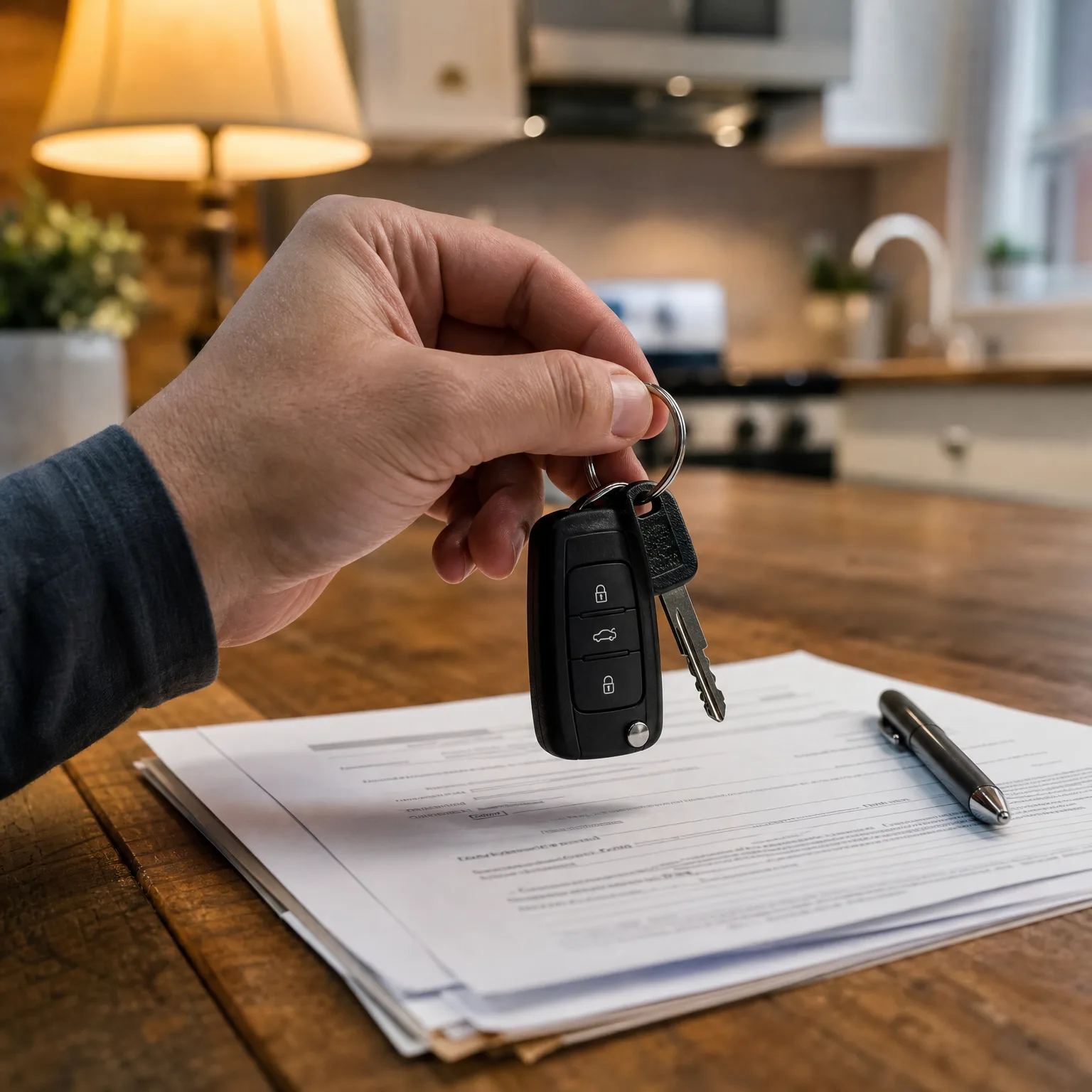
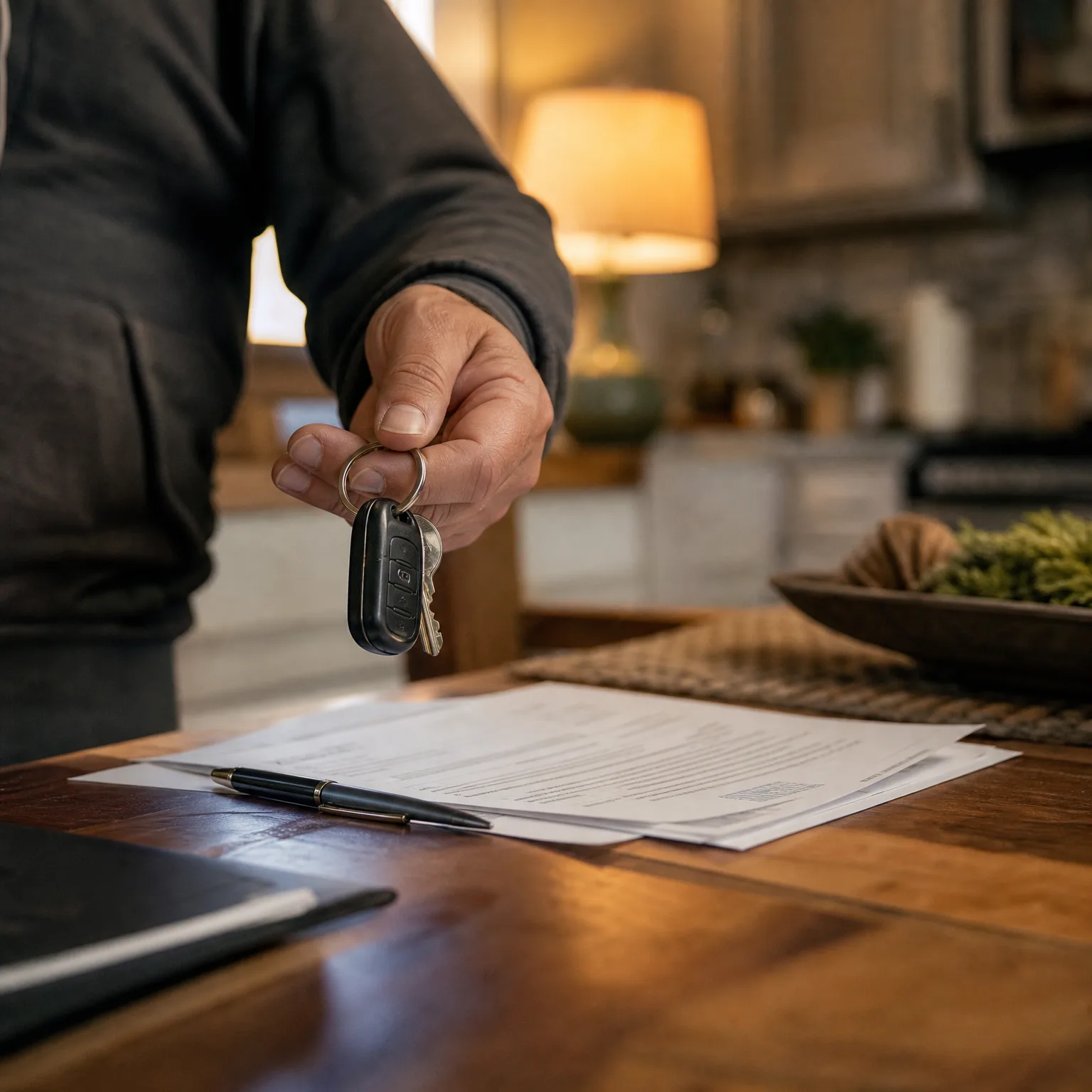
Texas requires SR-22 filing for two years measured from the date DPS processes the certificate and reinstates your license. If you file SR-22 on March 1 but your reinstatement eligibility date is April 15, DPS will not process the filing until April 15. Your two-year compliance period runs April 15 through April 14 two years later. The March premium paid for coverage between March 1 and April 15 satisfied the carrier's underwriting requirement but did not advance your SR-22 clock.
Coordinate your policy start date with your reinstatement eligibility. Pay the $125 reinstatement fee, satisfy any required alcohol education courses or ignition interlock installation (if applicable to your suspension), and purchase the non-owner SR-22 policy to start the day you become eligible. This eliminates wasted premium and aligns your coverage period with your compliance obligation. Buying too early costs money; buying too late extends your suspension.
If you let the policy lapse at any point during the two years, the carrier files an SR-26 cancellation notice with DPS. DPS suspends your license again immediately with no grace period. Reinstatement after an SR-22 lapse requires paying the $125 fee again, filing a new SR-22, and restarting the two-year clock from zero. One missed payment can cost you six months of progress.
2 years
Texas SR-22 Filing Period
Arlington drivers must maintain continuous SR-22 coverage for two full years before DPS releases the filing requirement. The period is calculated from DPS processing date, not policy purchase date. Any lapse restarts the clock.
Texas Transportation Code §601.153

When You Later Buy a Vehicle
You maintain the non-owner policy for eight months, then buy a used sedan. The non-owner policy does not automatically convert to a standard auto policy. Contact your carrier immediately. They will write a new standard auto policy covering the owned vehicle, transfer the SR-22 filing to the new policy, and cancel the non-owner policy. The SR-22 compliance clock continues uninterrupted as long as there's no gap between the cancellation of the non-owner policy and the effective date of the standard policy.
If you buy the vehicle but delay notifying your carrier, you create two problems. First, the non-owner policy excludes coverage for vehicles you own—driving your newly purchased car under a non-owner policy leaves you uninsured. Second, most non-owner policies contain a clause requiring you to notify the carrier within 30 days of acquiring a vehicle. Failing to notify can void coverage retroactively, triggering an SR-26 lapse filing and automatic suspension.
Compare Non-Owner SR-22 Carriers in Arlington
Not all carriers price non-owner SR-22 the same. Dairyland and GAINSCO specialize in high-risk drivers and often return the lowest quotes for suspended-license buyers. Progressive and Geico write non-owner policies but price them higher for recent violations. The General writes non-owner SR-22 but availability varies by underwriting appetite in Tarrant County. USAA offers competitive rates but eligibility is restricted to military members, veterans, and their families.
Request quotes from at least three carriers. Provide identical information to each—violation details, suspension dates, desired start date—so quotes reflect true apples-to-apples comparison. Verify each quote includes SR-22 filing; some carriers quote non-owner liability without the filing attachment, requiring a separate add-on fee. Compare the all-in monthly cost including the SR-22 filing fee, typically $15-$25 one-time depending on carrier. Choose the carrier offering the lowest total two-year cost with confirmed electronic filing to Texas DPS.
How to Buy Non-Owner SR-22 in Arlington
Request quotes from carriers confirmed to write non-owner SR-22 in Texas: Dairyland, Progressive, Geico, GAINSCO, The General, and USAA (military-affiliated only). Each carrier prices non-owner policies differently based on your violation type, suspension length, and zip code. Arlington falls in Tarrant County; urban density and uninsured motorist rates affect premium. Expect higher rates than standard drivers pay—non-owner SR-22 buyers carry recent violations by definition, placing them in non-standard or high-risk tiers.
Submit the application with your Texas driver license number, suspension notice details, and desired coverage start date. The carrier processes underwriting, issues the policy, and electronically files the SR-22 certificate with DPS. You receive a policy declarations page and an SR-22 filing confirmation—save both. DPS processing takes 1-5 business days after the carrier files. Check your DPS record online at txdps.state.tx.us to verify the SR-22 filing appears before assuming compliance.
Get Your Free Quote
Get My Texas SR-22 Auto Insurance QuoteFrequently Asked Questions
Can I get non-owner SR-22 insurance in Arlington if I live with someone who owns a car?
Texas carriers define regular access as living in a household where a vehicle is available for your routine use. If you live with a vehicle owner and drive their car regularly, carriers require you to be added as a named driver on their policy rather than purchasing a separate non-owner policy. If you live with a vehicle owner but never drive their car, some carriers will write non-owner SR-22; others refuse based on household risk. Disclosure is mandatory—failing to disclose household vehicles voids coverage.
How much does non-owner SR-22 insurance cost in Arlington, Texas?
Rates vary by carrier, violation type, and individual driving history. Non-owner SR-22 policies typically cost less than standard auto policies because there's no physical vehicle to insure—only liability coverage. Carriers add the SR-22 filing fee, usually $15-$25 one-time. Estimates based on available industry data; individual rates vary by driving history, violation details, coverage selections, and zip code.
Does Texas DPS accept electronic SR-22 filing from all carriers?
Yes. Texas DPS receives SR-22 certificates electronically from all licensed carriers writing auto insurance in the state. Paper SR-22 forms are no longer used. Carriers file the certificate directly into the DPS system; processing typically takes 1-5 business days. You can verify the filing appeared on your record by checking your DPS driver license status online at txdps.state.tx.us.
What happens if I miss a payment on my non-owner SR-22 policy?
The carrier cancels the policy for non-payment and files an SR-26 cancellation notice with DPS electronically. DPS suspends your license again immediately with no grace period. Reinstatement requires paying the $125 base reinstatement fee again, purchasing a new non-owner SR-22 policy, and restarting the two-year filing period from zero. A single missed payment erases all compliance progress.
Can I use a non-owner SR-22 policy to satisfy an Occupational Driver License requirement in Texas?
Yes. Texas Occupational Driver Licenses (ODL, also called hardship licenses) require SR-22 filing for all holders regardless of suspension type. A non-owner SR-22 policy satisfies the ODL insurance requirement when you don't own a vehicle. The policy must provide at least Texas minimum liability limits. The SR-22 certificate must remain active for the entire duration of the ODL period and the subsequent two-year post-reinstatement filing requirement.
Do I need to notify my non-owner SR-22 carrier if I move within Arlington?
Yes. Address changes affect premium because carriers price policies by zip code and county. Moving within Arlington keeps you in Tarrant County, but different zip codes carry different risk profiles based on accident frequency, theft rates, and uninsured motorist density. Notify your carrier within 30 days of moving. Failure to update your address can void coverage or delay DPS correspondence about your SR-22 status.