
Best SR-22 Insurance for High-Risk Drivers — Texas
Free to compare
Why Your Suspension Trigger Determines Your Carrier Pool
Your license was suspended in Texas, you need SR-22 coverage to reinstate, and every carrier you call either declines to quote or names a monthly premium higher than your car payment. The problem is not that you are uninsurable — it is that you are applying to carriers that do not write your specific violation trigger. Texas SR-22 carriers do not operate as a single pool. They segment by suspension cause, and walking into the wrong tier burns your application without ever seeing a bindable rate.
A driver suspended for insurance lapse draws quotes from carriers like Dairyland, GAINSCO, and The General. A driver suspended after DUI conviction pulls from a narrower pool anchored by Bristol West, Direct Auto, and Acceptance. A driver with excessive points but no alcohol violation lands somewhere between the two. The tiers do not overlap cleanly, and most comparison tools dump all three into the same search without telling you which carriers actually underwrite your situation.
“Applying to a carrier outside your violation tier generates a declination that follows you to the next quote.”

Find a Texas Policy That Covers Your Filing
Get My Texas SR-22 Auto Insurance Quote$100
Texas SR-22 Reinstatement Fee
Texas DPS charges a $100 administrative reinstatement fee for most license suspensions requiring SR-22 filing, separate from the SR-22 filing fee your carrier charges. This fee applies regardless of suspension cause and is due before DPS processes your reinstatement.
Texas Department of Public Safety reinstatement fee schedule
The Non-Standard Tier Is Three Tiers
What the industry calls non-standard auto insurance is actually three distinct underwriting tiers, each with its own appetite for specific violation types. Tier one writes drivers with insurance lapses, unpaid tickets, and points accumulation but no DUI or reckless driving convictions. Tier two writes first-offense DUI with clean prior record. Tier three writes repeat DUI, suspended license while driving incidents, and combined violations. Monthly premiums climb roughly 40 percent between each tier.
GAINSCO and Dairyland anchor tier one. They write SR-22 for lapse-triggered suspensions and points-related cases across Texas with monthly premiums in the $85 to $140 range for minimum liability coverage. Bristol West and Direct Auto sit in tier two, quoting first-offense DUI SR-22 filers at $130 to $190 monthly. Acceptance operates in tier three, writing repeat offenders and combined violation cases starting around $200 monthly. Progressive and Geico write some SR-22 cases but underwrite selectively — they approve tier-one violations but decline most DUI applications outright.
The structural problem: most drivers do not know which tier their violation trigger places them in, so they apply broadly and collect declinations from carriers outside their tier. Each declination appears on industry loss databases and narrows your next carrier's willingness to quote competitively. You get one clean shot at each carrier; burning it on a tier-mismatch application costs you the rate you would have qualified for had you applied correctly the first time.

Applying to a carrier outside your violation tier generates a declination that follows you to the next quote. Match your suspension cause to the correct underwriting tier before you apply.






Non-Owner SR-22 When You Do Not Own a Vehicle
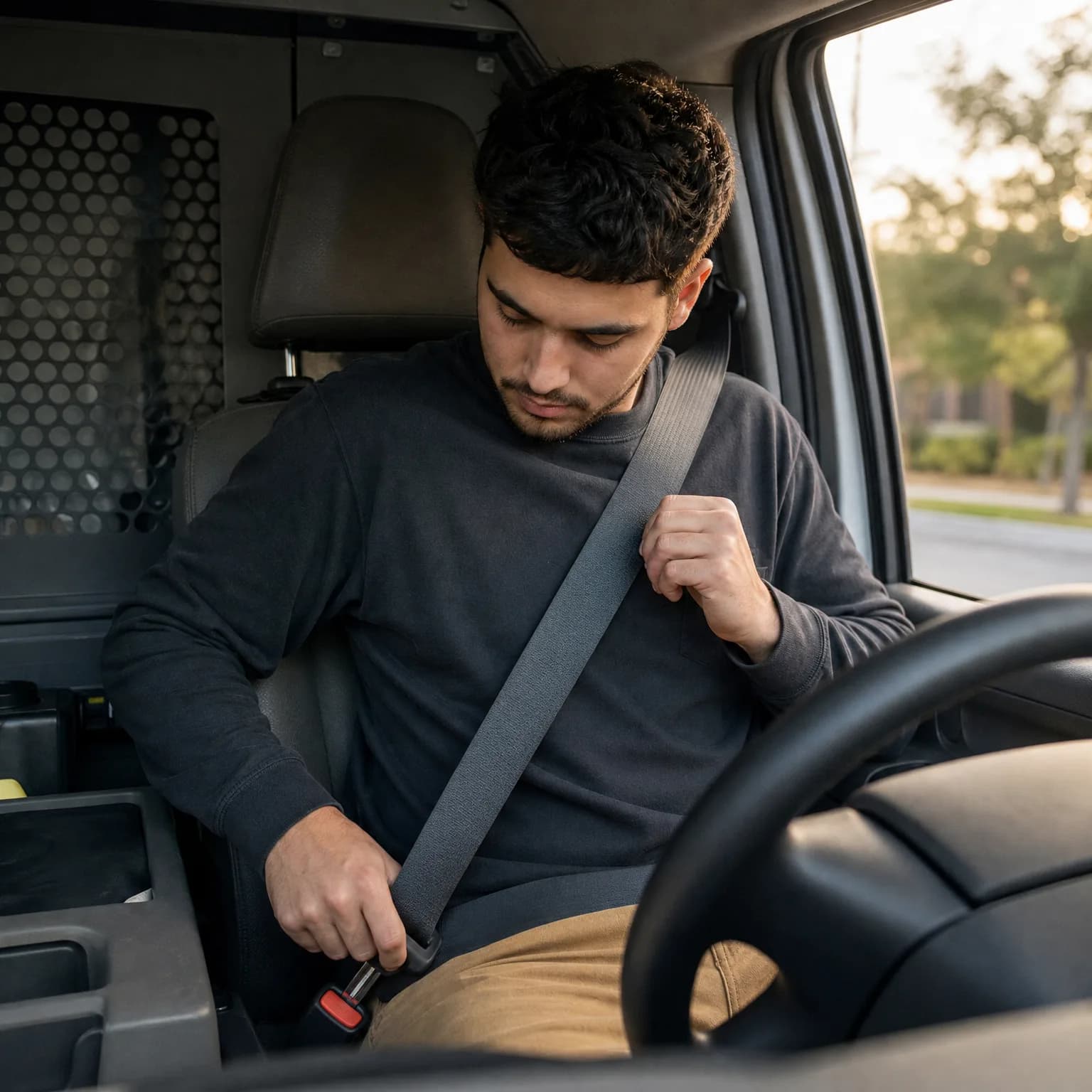
Texas allows non-owner SR-22 policies to satisfy reinstatement requirements when the suspended driver does not own a vehicle. Non-owner SR-22 provides liability coverage when you drive a borrowed or rented vehicle and files the required SR-22 certificate with DPS without insuring a specific car. Monthly premiums for non-owner SR-22 run $40 to $85 in Texas, roughly half the cost of owner SR-22 policies, because the carrier assumes lower exposure when you drive infrequently.
Dairyland, GAINSCO, The General, Progressive, and USAA all write non-owner SR-22 in Texas. Dairyland processes non-owner applications online and files SR-22 electronically with DPS within one business day. USAA writes non-owner SR-22 but restricts eligibility to military members, veterans, and their families. Progressive offers non-owner SR-22 but declines applications from drivers with DUI suspensions, limiting the product to lapse and points cases. The General writes non-owner SR-22 for DUI filers but requires proof of completion of DWI education programs before binding coverage.
Non-owner SR-22 does not cover vehicles you own, vehicles registered to you, or vehicles available for your regular use. If you live with a family member who owns a car and you drive it regularly, you need to be added as a named driver on their policy with SR-22 endorsement rather than carrying separate non-owner coverage. If you purchase a vehicle while holding non-owner SR-22, you must convert to an owner policy within 30 days and refile SR-22 under the new policy or DPS treats the lapse as a reinstatement violation.
2 years
Texas SR-22 Filing Period
Texas requires SR-22 filing for 2 years from the reinstatement date for DUI, DWI, and most liability-related suspensions under Texas Transportation Code §601.153. The filing period runs from the date DPS reinstates your license, not from the date of conviction or suspension.
Texas Transportation Code §601.153
Filing Mechanics and DPS Processing Windows
Texas carriers file SR-22 certificates electronically with the Texas Department of Public Safety. DPS processes electronic SR-22 filings within one to three business days under normal volume conditions. The carrier charges a one-time SR-22 filing fee set by the carrier and state, typically $15 to $35 depending on the carrier. This fee is separate from your premium and separate from the $100 DPS reinstatement fee.
The SR-22 filing must remain active and uninterrupted for the full 2-year filing period. If you cancel your policy, miss a payment, or let coverage lapse for any reason, the carrier files an SR-26 cancellation notice with DPS. DPS suspends your license again automatically, typically within 10 days of receiving the SR-26. Reinstating after an SR-22 lapse requires starting the entire 2-year filing period over from the new reinstatement date, not resuming where you left off. Most Texas SR-22 filers lose their license a second time due to premium non-payment, not because they misunderstand the requirement.
Compare Carriers That Write Your Violation Type
The next step is identifying which carriers underwrite your specific suspension cause and requesting quotes from only those carriers. If your suspension resulted from DUI or DWI conviction, request quotes from Bristol West, Direct Auto, Acceptance, and National General. If your suspension resulted from insurance lapse, excessive points, or unpaid tickets without alcohol involvement, request quotes from Dairyland, GAINSCO, The General, and Progressive. If you do not own a vehicle, specify non-owner SR-22 when requesting quotes to avoid receiving owner-policy rates that do not apply to your situation.
Collect at least three quotes before binding coverage. Monthly premiums for identical coverage limits vary by $60 to $90 between carriers writing the same violation tier, and the lowest-premium carrier for your neighbor's DUI case may not be the lowest for yours due to underwriting differences in age, county, and prior insurance history. Texas SR-22 requirements and carrier appetite vary significantly by region — carriers that write aggressively in Harris County may decline applications in rural West Texas counties where claims frequency differs.
Matching Suspension Cause to Carrier Appetite
Insurance lapse suspensions, excessive points without DUI, and unpaid ticket cases qualify for tier-one carriers. Dairyland writes SR-22 across all 254 Texas counties for lapse-triggered cases and offers non-owner SR-22 for drivers without a vehicle. GAINSCO writes points-related SR-22 and accepts online applications with same-day filing capability in most cases. The General writes both lapse and points cases but underwrites more conservatively than Dairyland, often requiring a higher down payment. Progressive accepts some tier-one SR-22 cases but declines automatically if the suspension involved any alcohol-related incident, even a non-DUI administrative suspension.
DUI and DWI suspensions require tier-two or tier-three carriers depending on prior record. Bristol West writes first-offense DWI SR-22 across Texas with ignition interlock device integration when required by court order. Direct Auto writes DWI cases and operates physical locations in 15 Texas cities for drivers who prefer in-person service. Acceptance writes repeat DWI, combined violations, and cases other carriers decline. National General writes some DWI SR-22 but underwrites case-by-case and frequently declines applications with aggravating factors like refusal or accident involvement. Infinity writes post-DWI SR-22 but only for drivers who also carry comprehensive and collision coverage, making them a poor fit for minimum-coverage filers.
Get Your Free Quote
Get My Texas SR-22 Auto Insurance QuoteFrequently Asked Questions
Which Texas carriers write SR-22 for DUI suspensions?
Bristol West, Direct Auto, Acceptance, and National General write SR-22 for first-offense DUI suspensions in Texas. Acceptance writes repeat DUI and combined violation cases that other carriers decline. Progressive and Geico decline most DUI SR-22 applications automatically.
How much does SR-22 insurance cost in Texas after a suspension?
Monthly premiums for Texas SR-22 insurance range from $85 to $220 depending on suspension cause, violation tier, county, age, and coverage limits. Lapse-triggered suspensions qualify for lower-tier carriers at $85 to $140 monthly. DUI suspensions typically cost $130 to $190 monthly for first offense and $200+ for repeat violations.
Can I get SR-22 insurance in Texas without owning a car?
Yes. Non-owner SR-22 policies satisfy Texas reinstatement requirements when you do not own a vehicle. Dairyland, GAINSCO, The General, Progressive, and USAA write non-owner SR-22 in Texas with monthly premiums ranging from $40 to $85, roughly half the cost of owner policies.
How long does Texas require SR-22 filing after DUI?
Texas requires SR-22 filing for 2 years from the reinstatement date for DUI and DWI suspensions under Texas Transportation Code §601.153. The 2-year period begins when DPS reinstates your license, not from the conviction or suspension date. If coverage lapses during the filing period, the 2-year clock restarts from the new reinstatement date.
What happens if I cancel my SR-22 policy in Texas?
Your carrier files an SR-26 cancellation notice with Texas DPS when you cancel your policy or miss a payment. DPS suspends your license again automatically, typically within 10 days of receiving the SR-26. Reinstating after an SR-22 lapse requires restarting the full 2-year filing period from the new reinstatement date.
Do all Texas insurance carriers file SR-22?
No. Only non-standard and select standard-tier carriers file SR-22 in Texas. GEICO, State Farm, Allstate, Farmers, and most preferred-tier carriers do not offer SR-22 filing. Suspended drivers must obtain coverage from non-standard carriers like Dairyland, Bristol West, GAINSCO, or Direct Auto that specialize in SR-22 cases.
How quickly can I get SR-22 filed with Texas DPS?
Most Texas carriers file SR-22 electronically with DPS within one business day of binding coverage. DPS processes electronic SR-22 filings within one to three business days under normal volume. Total time from application to DPS receipt typically runs two to four business days when no underwriting delays occur.